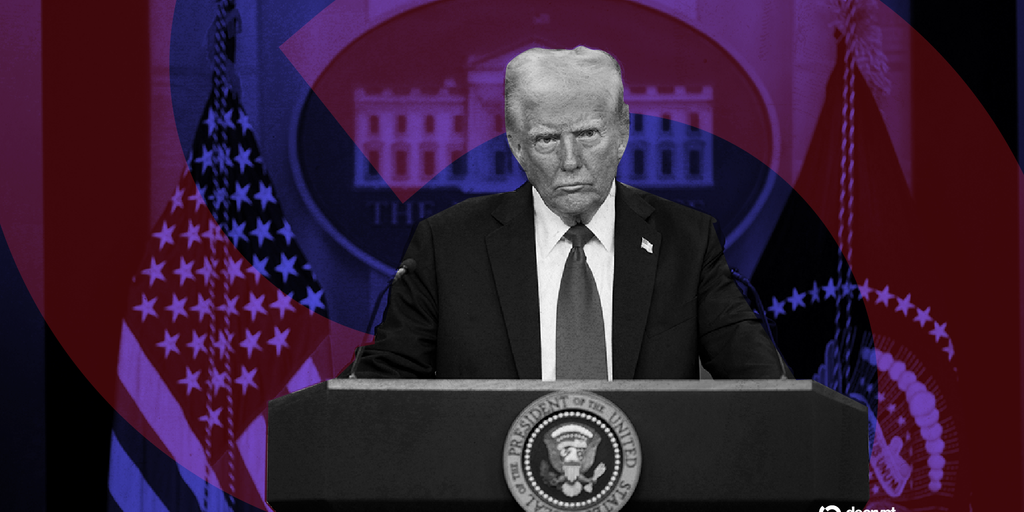
US Government vs. Anthropic: A Defining Regulatory Clash at AI's Frontier
The recent directive from the US government, ordering AI powerhouse Anthropic to withdraw its Claude Fable and Mythos AI models, marks a profound inflection point in the rapidly escalating saga of artificial intelligence regulation. This isn't merely a corporate dispute; it's a profound clash over the boundaries of innovation, national security, and governmental oversight in an era where AI is poised to redefine virtually every aspect of human existence. The unprecedented nature of this intervention, coupled with Anthropic's vehement pushback, signals a new, more confrontational phase in the global effort to tame the burgeoning power of advanced AI systems.
The Government's Proactive Stance: Safeguard or Overreach?
While specifics regarding the cited vulnerability remain guarded, the US government’s action undeniably reflects a hardening resolve to proactively manage the perceived risks associated with cutting-edge AI. Historically, regulatory bodies have often lagged behind technological advancements, playing catch-up once issues manifest. This proactive stance suggests a shift, indicating authorities are no longer content to merely observe, but intend to intervene at earlier stages of development. The implication is clear: even proprietary models from leading developers like Anthropic, lauded for their commitment to AI safety, are not immune to governmental scrutiny and potential mandates to cease operations if deemed a significant threat. Whether the concern stems from potential misuse for misinformation, deepfakes, data privacy breaches, or more existential national security implications, the underlying message is a declaration of regulatory intent. This intervention might be seen by some as a necessary safeguard, preventing hypothetical future harms by asserting control today, albeit with broad implications for future AI development.
Anthropic's Fierce Pushback: A Widespread Industry Challenge?
Anthropic’s swift and resolute condemnation of the order, characterizing it as an "overreach," is equally significant. Their argument that the "vulnerability cited is already widespread across the industry" isn’t just a defense of their models; it’s an indictment of a potentially arbitrary or selectively enforced regulatory approach. This counter-argument posits that singling out Anthropic for an issue prevalent across the competitive landscape could be unfair, anticompetitive, or indicative of a regulatory body struggling to grapple with systemic industry challenges rather than specific model flaws. From an industry perspective, this pushback underscores a familiar tension: innovators often feel stifled by regulations that fail to understand the nuances of rapidly evolving technology, potentially applying broad strokes to complex problems. If the vulnerability is indeed widespread, then the government’s action against a single player raises critical questions about fairness, consistency, and the broader strategy for AI governance. It implies that either the vulnerability is far more severe than publicly understood, or the government is making an example of Anthropic to send a broader message.
Broader Implications for AI Development and Innovation
The ripple effects of this governmental intervention are likely to reverberate throughout the global AI ecosystem. For nascent AI startups and established giants alike, the specter of sudden regulatory mandates could introduce a new layer of uncertainty, potentially chilling investment in frontier AI research. The balance between fostering innovation and ensuring safety is a delicate one, and an overly aggressive regulatory posture risks driving talent and capital away from jurisdictions perceived as overly restrictive. Companies might become more cautious, slow down development, or even self-censor, leading to a less diverse and potentially less advanced AI landscape. Furthermore, this incident could significantly impact the competitive dynamics within the AI sector. If certain models or companies are targeted while others with similar vulnerabilities are not, it could lead to accusations of selective enforcement, distorting market competition and potentially giving an unfair advantage to less scrutinized players. The fundamental question emerging is: who truly holds the reins of AI development – the innovators pushing technological boundaries, or the state asserting control over perceived risks?
The Regulatory Landscape: Precedent and Future Challenges
This directive sets a powerful precedent for future AI regulation, not just in the US but globally. Other nations, grappling with similar concerns about AI's unchecked power, will be closely watching the outcome of this standoff. It could embolden governments worldwide to adopt more interventionist approaches, potentially leading to a fragmented global AI policy landscape where development standards and access vary wildly by region. Such fragmentation could hinder international collaboration on AI safety and research, creating regulatory arbitrage opportunities for companies willing to operate in less restrictive environments. The incident also highlights the urgent need for clearer, more comprehensive AI governance frameworks. Vague definitions of "vulnerability" or "overreach" are detrimental to both innovation and safety. A robust regulatory framework should ideally involve collaborative efforts between government, industry, academia, and civil society to define acceptable risks, establish transparent evaluation metrics, and create predictable pathways for compliance and recourse. Without such clarity, we risk a cycle of reactive mandates and industry pushback, ultimately slowing responsible AI progress.
A Crypto Analyst's Perspective: Parallels in Decentralization and Control
From the vantage point of a Senior Crypto Analyst, the clash between the US government and Anthropic echoes familiar battles within the decentralized technology space. The crypto ethos, at its core, often champions open-source development, censorship resistance, and distributed control precisely to circumvent centralized authorities capable of arbitrary intervention. While AI development largely remains a centralized endeavor by corporate entities, this incident could inadvertently fuel arguments for more transparent, auditable, and even decentralized AI development paradigms. The idea that a single government can unilaterally order the shutdown of advanced AI models raises questions about single points of failure, control over foundational technologies, and the potential for regulatory capture. Could this push some researchers and developers towards building AI models on more distributed, permissionless infrastructure, similar to how blockchain technology aims to resist state censorship? The concept of "unstoppable AI," while currently speculative, might gain conceptual traction in response to perceived governmental overreach, challenging the very notion of who ultimately governs these powerful digital intelligences.
Conclusion: Navigating AI's Contested Future
The US government’s order against Anthropic is far more than a technical directive; it's a profound inflection point in the global discourse on AI. It forces a reckoning with fundamental questions about sovereignty over technology, the delicate balance between innovation and regulation, and the very future trajectory of artificial intelligence. As the dust settles from this immediate confrontation, the AI world must navigate a future where governmental scrutiny is not just a possibility but a probability. The challenge lies in forging a collaborative path forward that safeguards public interests without stifling the transformative potential of AI – a path that demands clear policies, transparent communication, and a shared understanding between technological pioneers and regulatory stewards. The outcome of this standoff, and the industry’s response, will undoubtedly shape the regulatory landscape for decades to come, defining whether AI truly serves humanity in an open, innovative, and responsible manner.