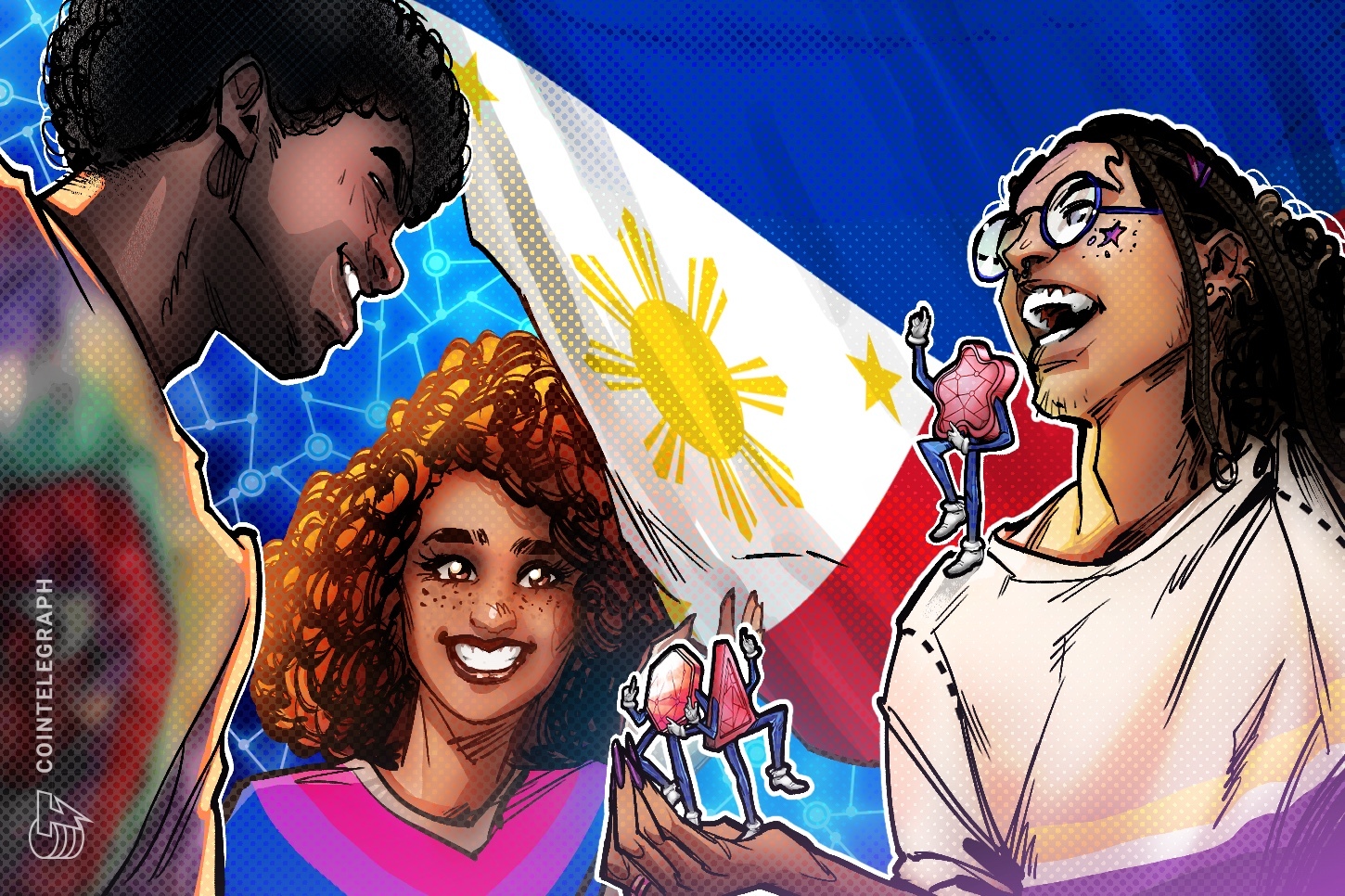
Philippines Embraces RWA Tokenization: A Game-Changer for Investment and Security
The financial landscape of the Philippines is on the cusp of a significant transformation, with the nation's Securities and Exchange Commission (SEC) signaling its readiness to embrace Real-World Asset (RWA) tokenization. Commissioner Rogelio Quevedo's recent remarks to Cointelegraph underscore a forward-thinking approach, positioning RWA tokenization as a strategic imperative to offer Filipinos more legitimate and diverse investment avenues, thereby providing a crucial deterrent against the pervasive threat of investment scams. This proactive stance by a key regulatory body marks a pivotal moment, not only for the Philippines but also for the broader global movement towards integrating blockchain technology with traditional finance.
Quevedo's vision is clear: by facilitating tokenized assets, the SEC aims to democratize access to investments that were previously out of reach for the average Filipino. RWA tokenization involves representing tangible assets—such as real estate, commodities, or art—and even intangible ones like intellectual property, as digital tokens on a blockchain. This process infuses traditional assets with the inherent benefits of blockchain: fractional ownership, enhanced liquidity, reduced transaction costs, increased transparency, and global accessibility. For a nation like the Philippines, characterized by a large unbanked population and significant wealth disparity, this innovation holds the promise of unprecedented financial inclusion and wealth democratization.
Economic Upliftment and Financial Inclusion through Decentralization
The implications of the Philippine SEC's move extend far beyond merely providing new investment products; they touch upon fundamental aspects of economic development and financial empowerment. Currently, many valuable assets, particularly real estate, suffer from illiquidity and high transaction costs, making them inaccessible to a majority of the population. RWA tokenization has the potential to unlock this latent value, transforming static assets into dynamic, tradable instruments.
Fractional ownership, a core benefit of tokenization, allows investors to own a small, affordable portion of a high-value asset, such as a prime commercial property or a renewable energy project. This lowers the entry barrier significantly, enabling a broader segment of the population to participate in wealth creation and accumulate legitimate assets. For Micro, Small, and Medium Enterprises (MSMEs), which are the backbone of the Philippine economy, tokenization could open new avenues for capital formation by allowing them to tokenize future revenue streams or even portions of their business, attracting both local and foreign investment more efficiently than traditional methods.
Furthermore, increased transparency and reduced intermediaries inherent in blockchain-based transactions can lead to greater trust and efficiency within the financial system. This modernization can attract foreign direct investment, bolstering the national economy and positioning the Philippines as an innovative hub in Southeast Asia's digital economy.
Global Ramifications for the Crypto Ecosystem
The Philippine SEC's readiness to embrace RWA tokenization adds significant weight to the global narrative surrounding blockchain's utility beyond speculative cryptocurrencies. It validates the technology's potential to bridge the gap between traditional finance (TradFi) and decentralized finance (DeFi), pushing the entire crypto ecosystem towards real-world applications and value creation. As an emerging market with a substantial and tech-savvy population, the Philippines' endorsement can serve as a powerful signal to other jurisdictions, potentially accelerating global regulatory clarity and adoption of RWA tokenization.
This development is part of a broader trend where institutional players and governments worldwide are exploring how blockchain can enhance efficiency, transparency, and accessibility in capital markets. The Philippines' entry into this space could foster greater interoperability between different tokenization platforms and create new cross-border investment opportunities, further integrating global financial markets on decentralized rails.
Navigating the Regulatory Labyrinth: Challenges and Considerations
While the enthusiasm for RWA tokenization is palpable, the path forward is not without its complexities. The Philippine SEC faces the crucial task of developing a robust, comprehensive regulatory framework that can accommodate this nascent technology while safeguarding investor interests and maintaining market integrity. Key challenges include:
- Legal Clarity: Defining the legal nature of tokenized assets (e.g., whether they constitute securities, property, or a new asset class) and ensuring the enforceability of smart contracts.
- Consumer Protection: Implementing stringent measures to protect investors from scams, market manipulation, and operational risks inherent in digital assets. This includes clear disclosure requirements and mechanisms for dispute resolution.
- AML/KYC Compliance: Establishing effective Anti-Money Laundering (AML) and Know Your Customer (KYC) protocols to prevent illicit financing through tokenized assets.
- Custody and Security: Addressing the secure custody of digital tokens representing physical assets, including both the digital private keys and the underlying physical asset. Cybersecurity risks remain a constant concern.
- Interoperability: Ensuring that new blockchain-based systems can seamlessly integrate with existing financial infrastructure and other blockchain networks.
- Investor Education: Bridging the knowledge gap among the general public regarding the risks and opportunities associated with tokenized assets.
A nuanced and collaborative approach involving regulators, industry stakeholders, technologists, and legal experts will be essential to craft an environment that fosters innovation while mitigating potential risks. Drawing lessons from other jurisdictions that are further along in their RWA tokenization journey could also prove beneficial.
Conclusion: A Cautiously Optimistic Outlook
The Philippine SEC's readiness for RWA tokenization marks a significant and commendable step towards a more inclusive, efficient, and modern financial system. Commissioner Quevedo's emphasis on legitimate investment options and scam prevention highlights a responsible approach to technological adoption. If implemented thoughtfully, with a strong emphasis on regulatory clarity, investor protection, and robust infrastructure, RWA tokenization has the potential to unlock unprecedented economic opportunities for the Philippines, empower its citizens, and solidify the nation's position as a forward-thinking leader in the digital finance space.
The journey ahead will undoubtedly present hurdles, but the foundational commitment from a key regulator signals a promising future where blockchain technology transcends its speculative reputation to deliver tangible, real-world value to millions. The Philippines stands at a critical juncture, poised to leverage the transformative power of tokenization to build a more equitable and prosperous financial ecosystem for all its citizens.