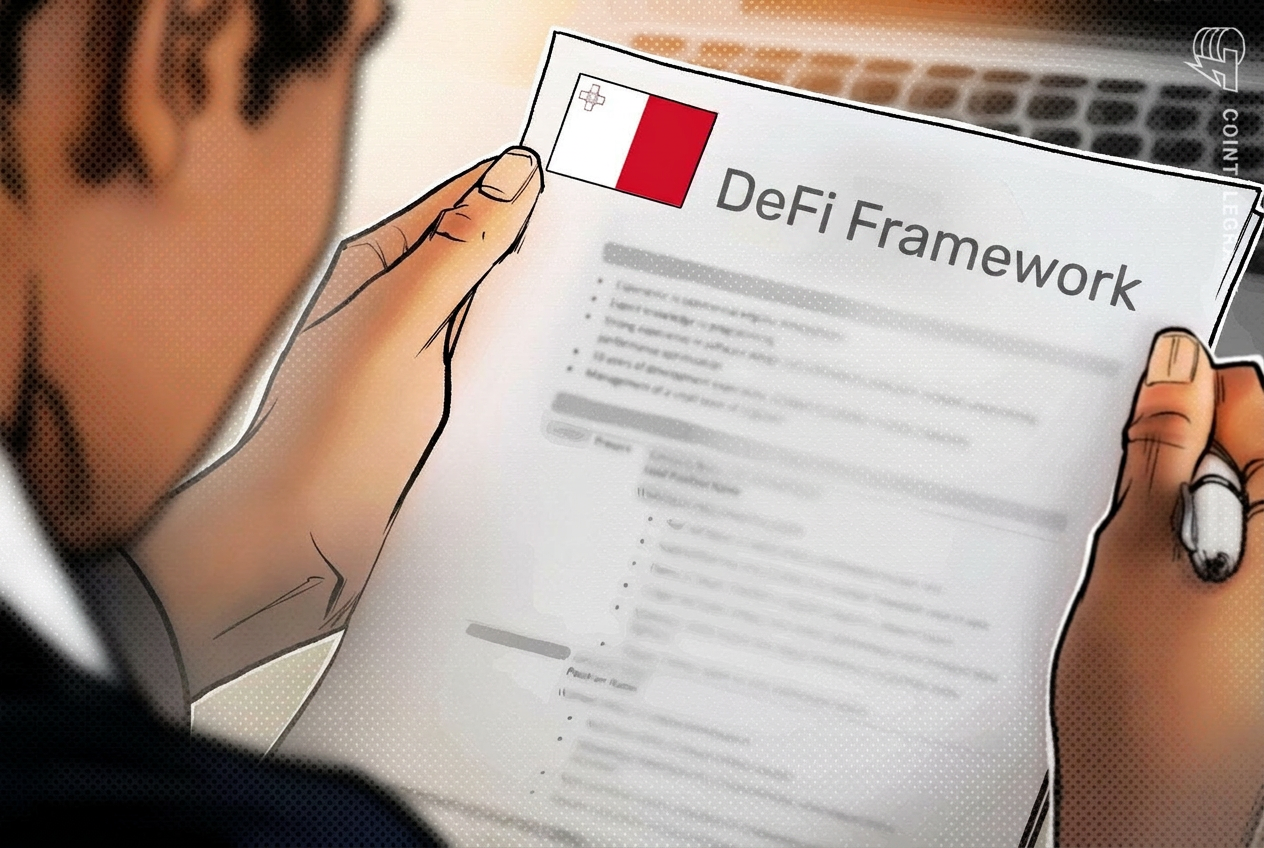
Malta Spearheads DeFi Regulation: A Closer Look at its Proposed Rulebook for DAOs
Malta, a nation that has consistently sought to position itself at the forefront of digital asset innovation, is once again making waves in the regulatory landscape. The Maltese financial regulator has unveiled a significant proposal: a dedicated legal framework aimed at bringing Decentralized Finance (DeFi) organizations, particularly software-governed entities like Decentralized Autonomous Organizations (DAOs), under a structured regulatory umbrella. This initiative, framed against the backdrop of the European Union's impending Markets in Crypto-Assets (MiCA) regulation, stems from a crucial observation: many DeFi projects, despite their claims of decentralization, often exhibit characteristics that warrant closer regulatory scrutiny. This proactive move by Malta signals a maturing approach to crypto regulation, aiming to reconcile the ethos of permissionless innovation with the imperative for robust consumer protection and market integrity.
Addressing the 'Decentralization Delusion'
At the core of Malta's proposed rulebook is a critical acknowledgement of the spectrum of decentralization within DeFi. While the ideal of fully autonomous, code-governed systems is aspirational, the reality often presents projects with varying degrees of human control, centralized decision-making, or identifiable core teams. These ‘pseudo-decentralized’ structures create significant regulatory challenges. When incidents occur—be it through smart contract vulnerabilities, governance exploits, or outright scams—identifying responsible parties, enforcing accountability, and providing recourse for affected users becomes incredibly difficult, if not impossible. Maltese regulators recognize that this ambiguity introduces substantial risks, akin to those traditional financial systems have long sought to mitigate. By developing a framework that directly addresses these governance realities, Malta aims to inject clarity and accountability into the DeFi space, fostering trust and responsible growth rather than stifling innovation. The goal is to provide essential guardrails that allow the sector to mature responsibly.
Key Pillars of the Proposed DAO Framework
While the specifics of the Maltese framework are still subject to industry feedback, the overarching intent is clear: to define and categorize different levels of decentralization and assign appropriate legal obligations. For entities deemed insufficiently decentralized, this could entail requirements similar to traditional financial institutions concerning corporate governance, risk management protocols, capital adequacy, and transparency disclosures. For DAOs, the framework might explore concepts of legal personality, define liability frameworks for founders or significant contributors, and establish mechanisms for effective dispute resolution. The proposal is designed to cover a broad spectrum of software-governed organizations, from lending protocols and decentralized exchanges to prediction markets. By explicitly aligning with a 'MiCA-era framework,' Malta is likely preparing a regime that can either complement existing MiCA regulations or influence future EU-wide considerations for DeFi beyond MiCA's initial scope, which largely targets centralized crypto-asset service providers and stablecoins. This forward-thinking approach positions Malta as a potential pioneer in establishing a robust regulatory blueprint for the nascent DeFi ecosystem.
The Critical Role of Industry Feedback
Crucially, Malta is actively soliciting comprehensive industry feedback, demonstrating an understanding that effective regulation in such a dynamic and complex space requires deep collaboration. This consultation phase will be vital. The DeFi community is expected to raise legitimate concerns regarding the potential for over-regulation to impede innovation, the practical challenges of applying traditional compliance models to genuinely decentralized contexts, and the inherent difficulties in drawing precise lines between varying degrees of decentralization. Key questions will undoubtedly emerge: How can legal frameworks distinguish between truly autonomous protocols and those merely presenting as such? How can liability be fairly allocated within DAOs where governance is distributed among thousands of token holders? Achieving the right balance will be paramount. Regulators must remain open to innovative, blockchain-native compliance solutions, such as on-chain identity verification, verifiable governance processes, or robust smart contract auditing standards. The ultimate success of Malta's initiative will hinge on its capacity to integrate constructive feedback, adapting established legal concepts to the novel realities of decentralized technology without compromising the foundational principles of investor protection and market stability.
Global Implications and the Future of DeFi Regulation
Malta's proposal is not an isolated regulatory exercise; it represents a growing global trend among jurisdictions grappling with the inherent complexities and boundless potential of DeFi. Should Malta successfully implement a pragmatic and effective framework, it could serve as a significant blueprint for other nations and even larger bodies like the European Union. The inherent challenge, however, lies in the global and borderless nature of DeFi. A fragmented landscape of national regulations risks fostering regulatory arbitrage, where projects migrate to jurisdictions with less stringent rules, potentially undermining the goal of comprehensive oversight. Therefore, Malta’s initiative could act as a catalyst for broader international dialogue, pushing towards harmonized standards that can accommodate the unique characteristics of DeFi while upholding shared principles of financial stability and consumer protection. The long-term trajectory for decentralized finance will undoubtedly involve a continuous, intricate dance between rapid technological advancement and thoughtful regulatory adaptation, with pioneers like Malta leading the charge in defining the parameters for this new digital financial paradigm. This ongoing evolution is critical for DeFi to move beyond its niche and achieve broader acceptance and integration into the global financial system.
Conclusion: Charting a Course for Accountable Decentralization
Malta's bold step towards a comprehensive DeFi rulebook, specifically targeting DAOs under a MiCA-era framework, marks a pivotal moment for the crypto industry. It underscores a significant maturation in regulatory thinking, moving beyond simplistic approaches to embrace a nuanced understanding of decentralized technologies. By confronting the 'decentralization delusion' and seeking to define accountability for software-governed organizations, Malta is attempting to lay a robust foundation for secure and sustainable innovation in DeFi. The success of this ambitious endeavor will depend heavily on genuine collaboration between regulators and the industry, ensuring the framework is both effective in mitigating risks and flexible enough to foster the continued evolution of decentralized finance. As the global regulatory landscape for crypto continues to take shape, Malta's initiative will undoubtedly be watched closely, potentially charting a crucial course for how the world navigates the promise and perils of truly digital, decentralized economies.