The Elusive Altseason: A Fading Dream?
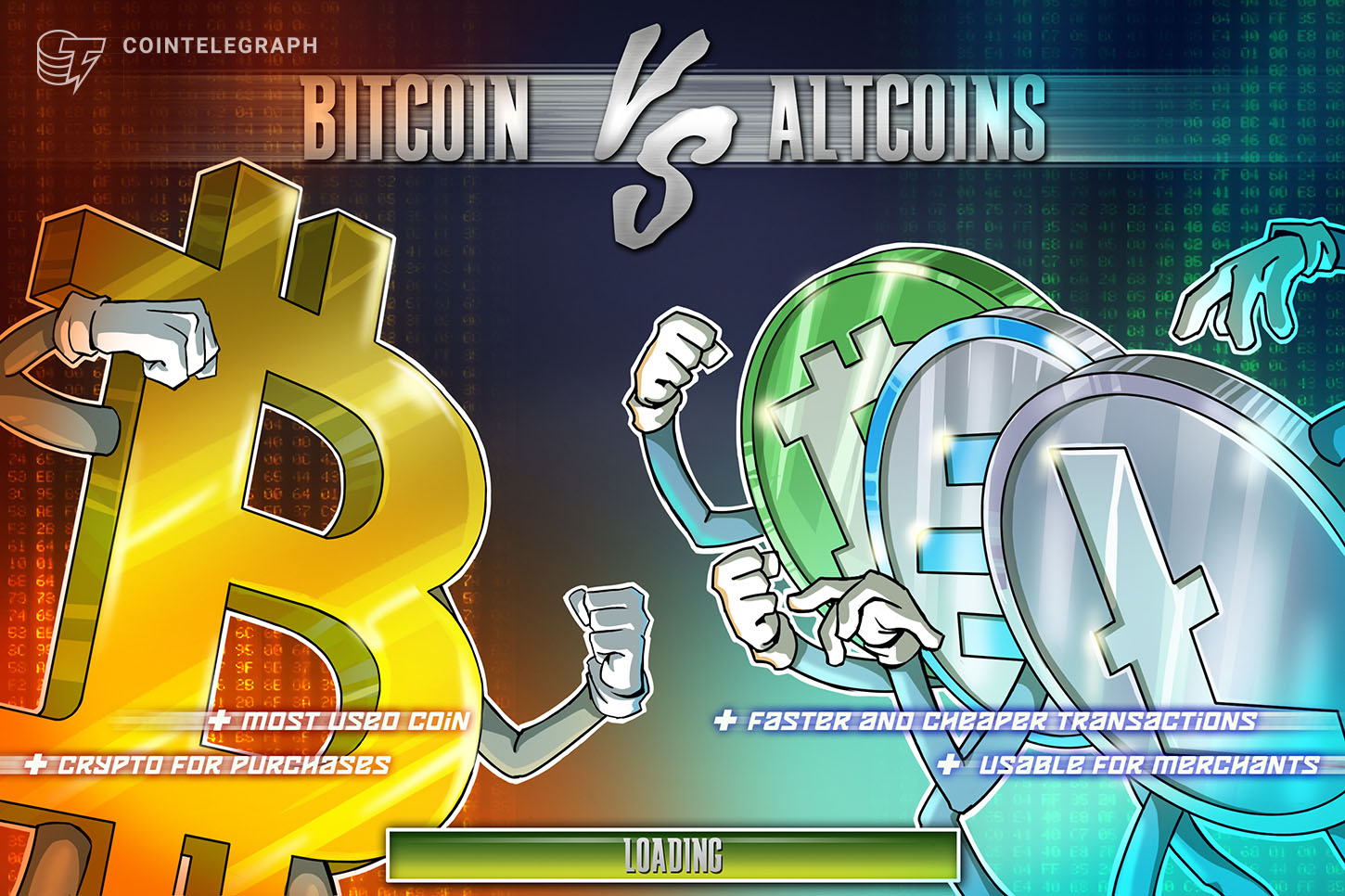
As Bitcoin (BTC) continues its robust performance, drawing significant institutional capital and etching new all-time highs, a palpable frustration is simmering across the broader cryptocurrency market. Traditionally, a strong Bitcoin rally is seen as the precursor to an 'altseason' – a period where capital rotates from BTC into altcoins, leading to explosive gains for smaller market cap assets. Yet, despite Bitcoin’s impressive run, this eagerly anticipated rotation has largely failed to materialize, leaving many altcoin investors questioning: Have altseasons disappeared, or are they merely undergoing a profound transformation?
The prevailing market sentiment points to a stark reality: Bitcoin's crypto market dominance (BTCD) is not only holding firm but consolidating above key support levels. This indicates that rather than flowing into alternative cryptocurrencies, capital is predominantly staying within Bitcoin, or perhaps even flowing *from* alts *into* BTC, dampening the prospects of a widespread altcoin boom. This phenomenon presents a significant divergence from historical market cycles, compelling us to critically analyze the underlying shifts dictating the current landscape.
Bitcoin Dominance: A New Market Paradigm?
Historically, the crypto market has moved in distinct phases. Bitcoin would lead the charge, break new highs, and then consolidate. During this consolidation, profits taken from Bitcoin would often cascade into altcoins, igniting their rallies. The Bitcoin Dominance chart would typically reflect this by dropping significantly as altcoins gained market share. However, the current cycle is telling a different story. BTCD has remained stubbornly high, consistently hovering above crucial technical thresholds, signaling a fundamental shift in capital allocation preferences.
This sustained high dominance suggests that investors, particularly larger entities, are prioritizing Bitcoin for its liquidity, security, and increasing institutional acceptance. The approval of spot Bitcoin ETFs in the U.S. has further solidified Bitcoin's position as a legitimate investment vehicle, attracting tranches of capital that might otherwise have flowed into riskier, less established altcoins. This influx of 'new' money appears to be primarily sticky in Bitcoin, preventing the typical outflow that fuels broad altcoin rallies.
Unpacking the Drivers: Why the Altcoin Stagnation?
Several converging factors are contributing to the current altcoin underperformance and the resilience of Bitcoin's dominance:
Firstly, the **maturing market and institutionalization** play a critical role. With institutions like BlackRock, Fidelity, and others now offering BTC spot ETFs, Bitcoin has graduated into a more mainstream asset class. These institutions, driven by regulatory compliance and risk management, are less likely to diversify into the vast, often opaque, world of thousands of altcoins, many of which lack clear regulatory status or robust audit trails. Their focus remains squarely on BTC, and to a lesser extent, Ethereum (ETH), due to its own institutional appeal and upcoming ETF potential.
Secondly, **regulatory scrutiny** has intensified globally, particularly in the U.S. The Securities and Exchange Commission (SEC) has taken a more aggressive stance, classifying many prominent altcoins as unregistered securities. This regulatory overhang creates immense uncertainty and risk for both retail and institutional investors, making them hesitant to allocate capital to projects that could face delisting, legal action, or significant price volatility due to regulatory headwinds. The perceived regulatory clarity (or lack thereof) for Bitcoin, especially post-ETF approvals, makes it a safer harbor.
Thirdly, the **macroeconomic environment** cannot be ignored. With higher interest rates globally and persistent inflation concerns, investors are generally more risk-averse. In such an environment, speculative assets, which many altcoins are, tend to underperform. Bitcoin, paradoxically, has begun to be viewed by some as a digital hedge against inflation or a 'hard money' asset, albeit a volatile one, making it a relatively preferred choice over highly speculative altcoins during periods of economic uncertainty.
Finally, **liquidity concentration** also plays a part. As more capital pools into Bitcoin, its liquidity deepens, making it easier for large players to enter and exit positions without significant price impact. This creates a virtuous cycle where liquidity attracts more capital, further cementing Bitcoin's dominance and making smaller altcoin markets less appealing for significant capital deployment.
Is the Altcoin Cycle Broken, or Just Evolving?
To declare the altseason 'dead' might be premature. However, it's increasingly clear that the traditional model – a rising tide lifting all altcoin boats – is, at the very least, evolving dramatically. We might be moving towards a more selective, narrative-driven altcoin market.
Instead of broad-based rallies, future 'altseasons' could be highly compartmentalized, focusing on specific sectors like AI-related tokens, real-world asset (RWA) tokenization, or innovative layer-2 solutions that demonstrate genuine technological breakthroughs and clear utility. Investors will need to exercise far greater due diligence, moving beyond speculative hype to focus on fundamentals, tokenomics, development teams, and regulatory foresight.
Navigating the New Crypto Landscape: Implications for Investors
For investors accustomed to the historical cycles, the current market demands a significant recalibration of strategy. A higher allocation to Bitcoin and perhaps Ethereum might be a prudent defensive stance given their increasing institutional legitimacy and relative stability. For those seeking alpha in altcoins, the approach must become surgical.
This entails meticulous research into projects with strong use cases, transparent tokenomics, active development, and a clear path to regulatory compliance or innovative solutions that sidestep existing regulatory ambiguities. The days of simply buying a basket of 'top 50' altcoins and expecting exponential returns may be largely behind us. The market is maturing, becoming more discerning, and rewarding fundamental strength over pure speculation.
Conclusion: Adapting to a Dominant King
Bitcoin's persistent dominance is not just a temporary anomaly; it signifies a maturing cryptocurrency market where institutional capital, regulatory pressures, and macroeconomics are exerting greater influence. While the dream of a classic, sweeping altseason may be fading, it is giving way to a more sophisticated landscape. Investors must adapt, focusing on quality, utility, and regulatory clarity within the altcoin space, or maintain a higher exposure to the undisputed king: Bitcoin. The game has changed, and only those who understand the new rules will thrive in the evolving crypto frontier.