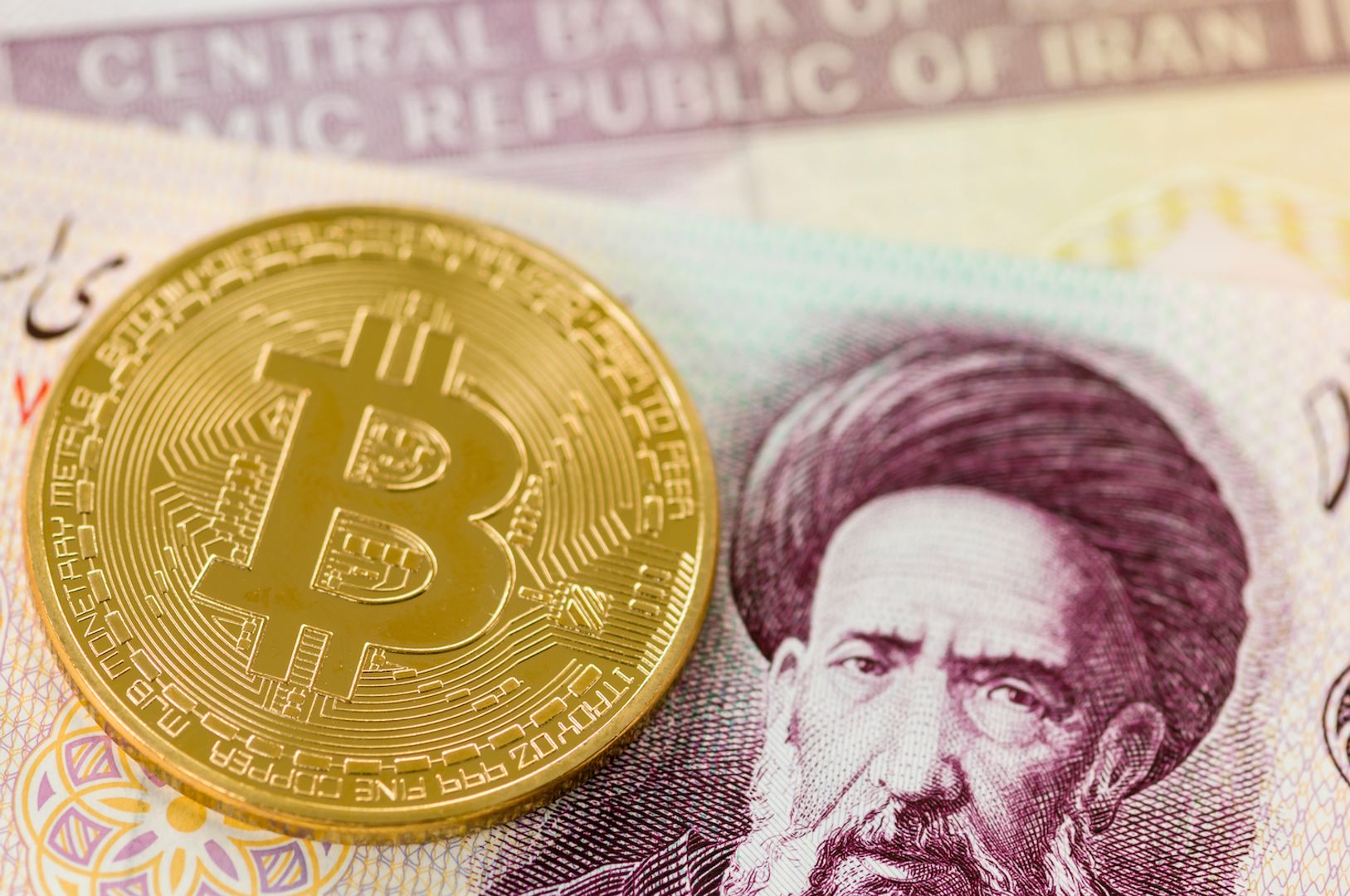
Bitcoin's Breakout: A Geopolitical Windfall
Bitcoin has once again demonstrated its sensitivity to global macroeconomic shifts, marking a significant two-week high above $65,500. This impressive rally is not an isolated event but a direct consequence of a pivotal development on the geopolitical stage: a landmark peace agreement between the United States and Iran. This deal, poised to reopen the crucial Strait of Hormuz, has sent immediate ripples through energy markets, causing oil prices to slide and, crucially, re-allocating capital flows into risk assets, with Bitcoin emerging as a prime beneficiary.
As a Senior Crypto Analyst, I observe this confluence of events as a classic case of risk repricing. The removal of a significant geopolitical premium from oil has fundamentally altered the investment landscape, favoring assets perceived to offer growth and potentially uncorrelated returns. Bitcoin, with its unique position at the intersection of technology, finance, and alternative investment, is reacting precisely as a mature, albeit volatile, risk-on asset should in such an environment.
The Strait of Hormuz: A Lifeline Reopened, A Premium Erased
The Strait of Hormuz, a narrow waterway connecting the Persian Gulf to the open ocean, is arguably the world's most critical oil transit chokepoint. For years, geopolitical tensions, particularly those involving Iran, have cast a shadow over this vital artery, leading to a 'geopolitical premium' embedded in global oil prices. This premium reflected the market's fear of supply disruptions, embargoes, or even outright conflict, pushing crude benchmarks higher as a hedge against uncertainty.
The newly announced peace agreement is a game-changer. By de-escalating tensions and facilitating the reopening or, more accurately, the guaranteed unimpeded transit through the Strait, it effectively removes this long-standing risk premium. The immediate consequence has been a noticeable decline in oil prices, reflecting an anticipated increase in supply and a reduction in the probability of supply-side shocks. This isn't just about more oil reaching the market; it's about a fundamental shift in the risk perception surrounding a major global commodity.
Capital's Migration: From Safe Havens to Growth Assets
When geopolitical risks abate, capital tends to migrate. Funds previously allocated to perceived safe havens or commodities driven by fear premiums begin to seek higher returns in growth-oriented assets. Oil, often considered a barometer of global economic health but also highly susceptible to supply-side shocks, saw its role as a geopolitical hedge diminish. The capital that was bracing for conflict is now freed up and looking for new homes.
Enter Bitcoin. While often touted as 'digital gold' and a hedge against inflation or systemic instability, Bitcoin's recent price action unequivocally places it in the 'risk-on' category in this scenario. Investors are not flocking to Bitcoin out of fear, but out of renewed optimism and an appetite for assets with higher growth potential. The reduced geopolitical uncertainty creates a more stable backdrop for risk-taking, and Bitcoin, with its inherent volatility and potential for significant upside, becomes an attractive proposition.
Bitcoin's Evolving Role in a Repriced Market
The surge past the $65,500 mark is technically significant, representing a psychological barrier and a level that often requires substantial buying pressure to overcome. For Bitcoin, this isn't merely a technical breakout; it's a validation of its growing integration into mainstream financial market dynamics. It demonstrates that the cryptocurrency is increasingly viewed through the lens of traditional risk-reward models, reacting predictably to shifts in global liquidity and investor sentiment.
The narrative of Bitcoin as 'digital gold' or a safe haven asset is nuanced. While it can exhibit such characteristics during periods of extreme monetary debasement or systemic financial risk, its performance in this instance aligns more closely with that of a high-beta tech stock or an emerging market asset—benefiting from a general increase in risk appetite and a search for growth opportunities outside traditional fixed income or slowly appreciating equities. The removal of the geopolitical uncertainty premium on oil effectively injects liquidity and confidence back into the broader market, and Bitcoin, as a liquid and globally accessible asset, is well-positioned to absorb a portion of this redistributed capital.
Broader Macroeconomic Implications and The Road Ahead
Beyond Bitcoin's immediate gains, the decline in oil prices carries broader macroeconomic implications. Lower energy costs can act as a disinflationary force, potentially alleviating pressure on central banks and perhaps opening the door for more accommodative monetary policies in the future. Should this trend persist, it could create an even more favorable environment for risk assets, including cryptocurrencies, by reducing borrowing costs and increasing overall economic confidence.
However, it is crucial for investors to remain vigilant. Peace agreements, while welcome, can be fragile. Any signs of renewed tensions or complications in the implementation of the US-Iran deal could quickly reverse the current sentiment, causing oil prices to rebound and risk assets to pull back. Furthermore, while lower oil prices are generally positive, a sudden, sharp decline could also signal underlying weakness in global demand, a scenario that would be detrimental to most risk assets, including Bitcoin.
For now, Bitcoin's ascent above $65,500 is a clear testament to its increasing interconnectedness with global events. The US-Iran peace deal has not only recalibrated the energy market but has also offered a fresh canvas for capital reallocation, painting a bullish picture for digital assets that thrive on renewed investor confidence and a more stable geopolitical horizon.