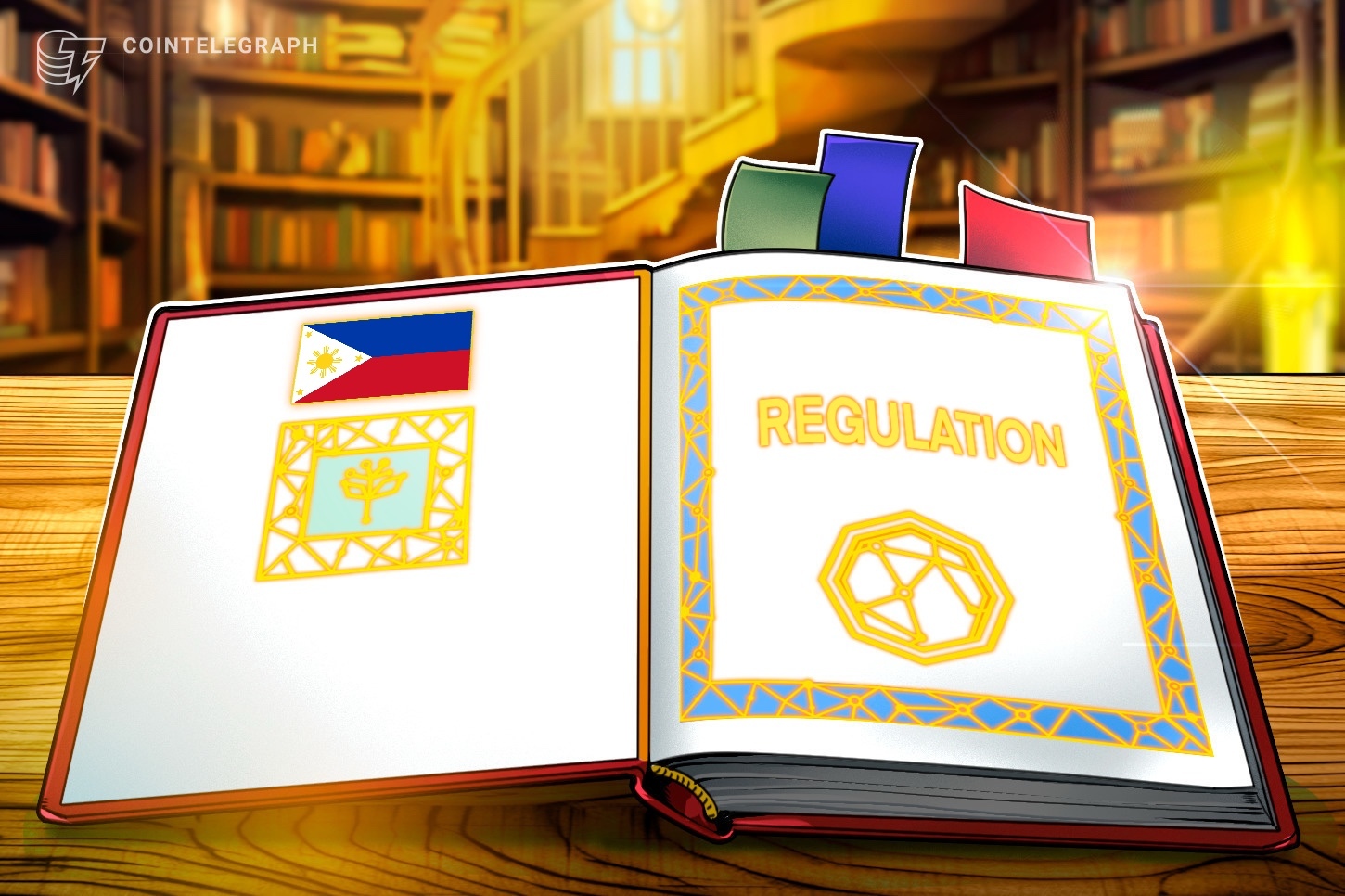
Binance's Philippine Comeback: A Regulatory Chess Match Through the SEC Sandbox?
The cryptocurrency world is abuzz with news that Binance, the global blockchain ecosystem and leading cryptocurrency exchange, might be making a strategic return to the Philippines. This isn't just a simple re-entry; it involves a sophisticated regulatory maneuver, specifically an arrangement under the Philippine Securities and Exchange Commission (SEC) sandbox framework. This development, highlighted by industry observer BlockShoals, suggests Binance could potentially offer trading access to Filipino users without needing a full-fledged local Virtual Asset Service Provider (VASP) license from the Bangko Sentral ng Pilipinas (BSP) – a significant departure from conventional regulatory pathways.
For months, the Philippine crypto community has watched as regulatory bodies tightened their grip on unregistered exchanges. Binance, among others, faced scrutiny for operating without the necessary local permits, leading to concerns about consumer protection and compliance. The prospect of its return under a new, seemingly expedited framework signals a potentially evolving regulatory landscape and a pragmatic approach from both the exchange and the SEC.
Understanding the SEC Regulatory Sandbox
To grasp the significance of BlockShoals' assertion, it's crucial to understand what a regulatory sandbox entails. A regulatory sandbox is a controlled environment established by financial regulators, like the SEC, to allow fintech companies to test innovative products, services, or business models for a limited period under relaxed regulatory requirements. Its primary purpose is to foster innovation while simultaneously gathering data, identifying potential risks, and evaluating the necessity for new or amended regulations. Participants typically operate with specific waivers or exemptions from certain rules, allowing them to experiment within defined parameters.
In the Philippine context, the SEC has been proactive in exploring such frameworks for financial technology. By participating in a sandbox, Binance would theoretically gain temporary permission to operate, offering its services to a limited cohort of users, under close supervision. This arrangement provides a valuable pathway for the SEC to observe Binance's operations, assess its adherence to compliance standards (especially concerning Anti-Money Laundering/Combating the Financing of Terrorism or AML/CFT protocols), and understand the implications for the broader financial system, all before granting a permanent license.
The BlockShoals Interpretation: A Nuanced Regulatory Path
BlockShoals' statement that the SEC sandbox arrangement “permits trading access without a local VASP license” is the crux of this development. Typically, a VASP license in the Philippines is issued by the BSP, which oversees entities dealing with virtual assets, including exchanges. The distinction between the SEC's purview (securities, including certain crypto assets) and the BSP's (payment systems, including virtual assets as a form of payment) is critical here.
If Binance operates under an SEC sandbox, it implies that the services being tested might be categorized as securities-related, or that the sandbox's scope is broad enough to encompass certain aspects of virtual asset trading that the SEC has jurisdiction over. This could mean that, for the duration of the sandbox, Binance's specific offerings are considered distinct enough from traditional VASP activities requiring a BSP license, or that the sandbox temporarily bridges this gap. It's a clever interpretation of existing regulatory frameworks, allowing for market access under a probationary, observational period.
Implications for Philippine Traders and the Local Ecosystem
For the millions of cryptocurrency enthusiasts and traders in the Philippines, Binance's potential return under this framework is largely positive. Binance offers unparalleled liquidity, a vast array of trading pairs, advanced trading features, and competitive fees – all factors that were sorely missed by users who had grown accustomed to its global platform. Increased competition from a major player could also benefit the broader local crypto ecosystem, potentially driving innovation and service improvement among local exchanges.
Furthermore, a formally sanctioned operation, even if temporary, provides a greater sense of security and legitimacy for users. It implies a level of regulatory oversight, even if partial, which was absent when Binance operated in a grey area. This could foster greater trust and adoption among a new wave of users who might have been wary of unregistered platforms.
Potential Challenges and Regulatory Headwinds
While the prospect is exciting, several questions and potential challenges remain. First, the duration and specific terms of the SEC sandbox arrangement will be crucial. Is this a precursor to a full BSP VASP license, or is it intended as a longer-term solution? The interaction between the SEC and BSP's regulatory frameworks for virtual assets could also become complex. While the sandbox might address SEC concerns, what about the BSP's existing VASP guidelines?
Consumer protection within a sandbox environment is another key consideration. While it allows for innovation, it also carries inherent risks due to the experimental nature. The SEC will need to ensure robust mechanisms are in place to safeguard user funds and data, resolve disputes, and maintain market integrity. Additionally, the scope of services Binance can offer under this sandbox will be important. Will it be limited to certain asset classes or functionalities, or will it encompass the full suite of Binance's global offerings?
Binance's Global Regulatory Prowess
This move is not an isolated incident but rather indicative of Binance's global strategy to navigate complex and fragmented regulatory landscapes. The exchange has been actively seeking licenses and engaging with regulators worldwide, adapting its operations to local requirements. Its ability to leverage an SEC sandbox in the Philippines demonstrates a sophisticated understanding of regulatory nuances and a willingness to collaborate with authorities to ensure compliance and market access.
A Watchful Eye on the Horizon
Binance's potential return to the Philippines via an SEC sandbox represents a fascinating development in the intersection of crypto innovation and regulatory oversight. It's a testament to the evolving nature of financial regulation, which seeks to balance fostering technological advancement with ensuring market stability and consumer protection. While the full details of this arrangement are yet to be disclosed, the implications are significant for Filipino traders and the broader Southeast Asian crypto market. As a Senior Crypto Analyst, I'll be closely monitoring official announcements and regulatory movements, as this case could set a crucial precedent for how major global exchanges operate in burgeoning crypto markets.